Business
Mastering Digital Marketing: Winning Strategies for 2025
The pace of change in digital marketing shows no sign of slowing, making adaptability a vital skill for businesses. With algorithms shifting and new platforms emerging, organizations need strategies that deliver both immediate impact and long-term resilience. This article explores key tactics, tools, and approaches that will define digital marketing success in 2025, emphasizing authentic engagement and data-driven planning.
The pace of change in digital marketing shows no sign of slowing, making adaptability a vital skill for businesses. With algorithms shifting and new platforms emerging, organizations need strategies that deliver both immediate impact and long-term resilience. This article explores key tactics, tools, and approaches that will define digital marketing success in 2025, emphasizing authentic engagement and data-driven planning.
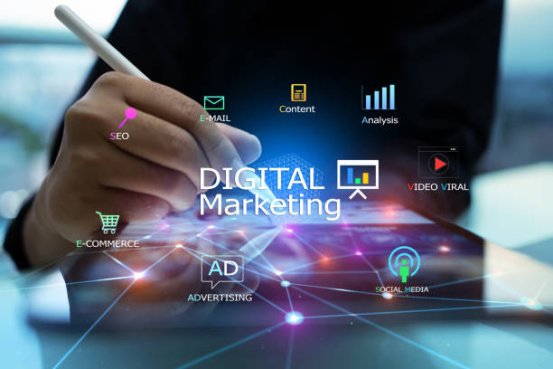
Why Online Marketing Degrees Are a Smart Investment
1. Flexibility for Modern Learners
Today’s professionals often juggle work, family, and personal commitments, and online marketing programs offer the flexibility to study without disrupting daily life. Far from being a secondary option, online degrees have become a top choice for career-focused individuals. Students can log in anytime, from anywhere, ensuring education adapts to diverse lifestyles.
2. A Broad Curriculum for the Future of Marketing
Comprehensive online marketing programs provide students with knowledge across advertising, consumer psychology, market analysis, and brand development. They also cover essential digital tools like SEO, email marketing, social media management, and content strategies. More advanced modules include artificial intelligence, automation, and big data analytics, preparing students for tomorrow’s marketing challenges. Practical learning is emphasized through internships, projects, and case studies that bridge theory and real-world application.
3. The Advantage of Self-Paced Study
Self-directed study allows learners to move quickly through areas they already know while taking extra time with difficult topics. This approach creates space for better balance between personal life and professional growth. Online platforms further support learning with discussion boards, reminders, and live interactive classes. Accelerated or part-time formats add even more flexibility to the journey.
Leveraging Analytics for Marketing Impact
1. Social Media Insights as a Compass
As social networks expand, analytics tools play a crucial role in measuring performance. Tracking impressions, clicks, shares, and comments helps identify what content resonates most. With advanced targeting, marketers can design campaigns tailored to specific demographics, boosting relevance and long-term loyalty.
2. From Follower Numbers to Engagement Quality
Counting followers is no longer the standard of success. Engagement—measured through discussions, shares, and community activity—is now a more reliable indicator. Companies can foster engagement through interactive campaigns, encouraging user-generated content, and creating conversations that expand reach organically.
3. AI Driving Marketing Efficiency
Artificial intelligence has become central to modern marketing. From chatbots and predictive analytics to automated campaign optimization, AI improves targeting, reduces errors, and speeds up workflows. By automating repetitive processes, marketers gain more time for creativity and strategic thinking, resulting in stronger ROI.
4. Balancing Channels for Maximum Reach
With audiences spread across multiple platforms, adopting a multi-channel strategy is critical. Businesses combine organic efforts, influencer partnerships, email campaigns, and paid ads to connect with varied groups. Constant monitoring of ROI ensures resources are allocated efficiently, while data-driven tweaks keep campaigns on track.
Collaboration and Networking in the Digital Era
1. Building Trust Through Authentic Interaction
Authenticity is vital for customer loyalty. Engaging in conversations, addressing feedback, and collaborating with value-aligned influencers help brands build credibility. Partnerships based on shared values ensure stronger, more genuine connections.
2. Staying Ahead of Rapid Platform Changes
Each platform evolves differently. For example, TikTok rewards authentic, high-engagement content, offering opportunities for organic reach. Keeping pace with these dynamics allows businesses to adjust strategies quickly and remain visible.
3. Redefining Marketing Success Metrics
Success metrics now emphasize community growth, shares, and meaningful interaction rather than vanity metrics. Partnering with creators can extend visibility and foster more active engagement.
4. Making the Most of Social Media Analytics
Studying posting trends, peak activity times, and competitor performance helps refine marketing campaigns. A data-led approach ensures that every dollar and hour invested achieves measurable impact and stronger ROI.
Conclusion
Success in digital marketing in 2025 requires agility, analytics, and authenticity. Online education, AI-powered tools, and collaborative partnerships provide the foundation for innovation and sustainable growth. By continuously experimenting, refining, and staying attuned to trends, marketers can adapt to today’s challenges while building a resilient future.
References:
https://agencyab.com/2025-marketing-strategy-tactics/
https://www.socialinsider.io/blog/organic-social-media-growth