Technology
Enhancing Your Medical Practice with Advanced Clinical Tools
Modern medical practices increasingly rely on clinical management software to enhance efficiency, cut costs, and improve patient care. These platforms centralize administrative and clinical workflows, letting healthcare providers focus on outcomes.
Modern medical practices increasingly rely on clinical management software to enhance efficiency, cut costs, and improve patient care. These platforms centralize administrative and clinical workflows, letting healthcare providers focus on outcomes.
Understanding Clinical Management Software
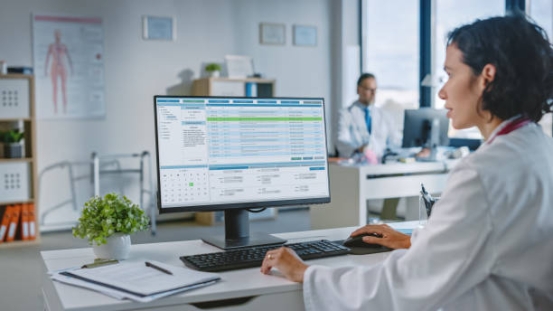
Clinical management software, also called clinical practice management software, is a comprehensive digital solution designed to optimize daily operations in hospitals, clinics, and healthcare practices. Its main objective is to tackle operational challenges while supporting high-quality patient care, offering customizable features to meet each facility’s specific needs.
Electronic Health Records (EHR)
EHR systems form the backbone of clinical software, securely storing and managing patient medical records—including histories, diagnoses, treatment plans, lab results, and more. Moving from paper to digital records improves accessibility, accuracy, and collaboration among healthcare professionals.
Streamlined Appointment Scheduling
Scheduling tools allow clinics to efficiently manage patient appointments. Online booking, automated reminders, and real-time calendar updates reduce conflicts, minimize no-shows, and enhance workflow efficiency.
Inventory and Supply Management
Clinical software monitors medication, vaccine, and medical supply levels, preventing shortages or overstocking. Automated alerts for low stock and expiration dates ensure clinics remain prepared for patient needs.
Billing, Invoicing, and Revenue Management
Financial modules simplify billing, track outstanding payments, and support online payment processing. This reduces administrative errors, saves staff time, and strengthens cash flow management.
Effective Communication Tools
Integrated messaging systems enable seamless communication between staff and patients, improving care coordination and satisfaction.
Advanced Reporting and Analytics
Analytics tools provide insights into clinic performance, patient volumes, appointment trends, financial metrics, and staff productivity, supporting data-driven decisions and strategic planning.
Telemedicine Capabilities
Telehealth features allow virtual consultations, follow-ups, and remote monitoring, reducing in-person visits while expanding access to care.
Ensuring Compliance and Proper Record Keeping
Compliance features help clinics meet legal, regulatory, and ethical requirements. The software manages medications, tracks controlled substances, and maintains accurate documentation for audits and inspections.
Conclusion
Clinical management software provides a complete solution for modern healthcare practices, streamlining workflows, boosting efficiency, and enhancing patient care. By reducing administrative burdens, staff can devote more time to patients, leading to better outcomes, higher satisfaction, and a more organized, effective healthcare environment.